Back to All Events

Investing with Confidence

Governance and Risk in African Markets


Session Chair: Mr. Vincent Rouget
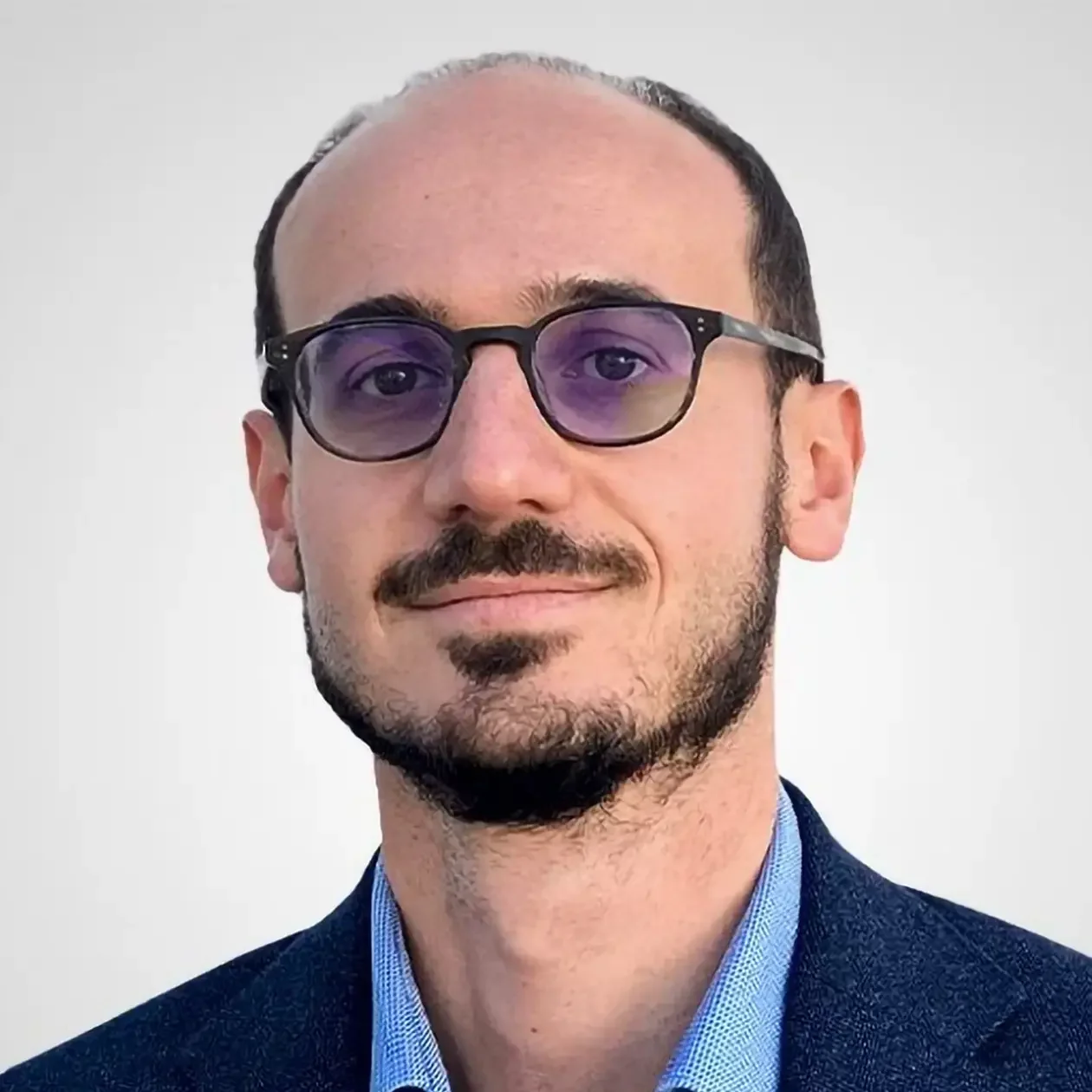

This roundtable will examine how companies and investors assess political and regulatory risk, corruption exposure and the reliability of local partners. Drawing on perspectives from Control Risks, TIA Capital and Côte d’Ivoire’s High Authority for Good Governance, it will consider where public reforms meet the decisions investors make on the ground. The discussion will ask what evidence of good governance investors need before committing capital, and how public institutions and businesses can provide it.

Governance risk is rarely the reason investors give for saying no, but it is often the reason a deal takes longer, costs more or never reaches financial close. Perception indices, due diligence reports and local reputation all feed into how risk is priced. Yet investors and governments often talk past each other: reforms that are significant for a public institution may not be visible to a fund manager in London, Nairobi or Oslo, and the signals investors rely on may lag real progress on the ground.

Côte d’Ivoire offers a concrete case. Since its creation, the High Authority for Good Governance (HABG) has built up asset declaration, whistleblowing and investigation functions, and in 2025 reported asset-declaration compliance above 90 per cent. It has referred investigation reports to the specialised economic and financial crimes unit, trained public officials, magistrates and business leaders, and launched an integrity programme for small and medium-sized enterprises. At the same time, the HABG’s president estimates that corruption indirectly costs the state between 1,300 and 1,400 billion FCFA a year, and the country’s score in Transparency International’s Corruption Perceptions Index slipped from 45 to 43 in 2025. Both are true at once, and investors have to decide which one to weigh.

The session aims to move from perception to evidence. It will bring together a risk consultancy that advises companies on where and with whom to invest, a private debt investor that has to decide whether a borrower or local partner can be trusted with capital, and a public authority responsible for making governance progress real and verifiable. The goal is a practical conversation on what investors actually look for, what governments and companies can credibly show, and how the gap between the two can be narrowed.

Côte d’Ivoire at a glance

Figures as published by the HABG and Transparency International. Speakers are welcome to correct or update any of them from the floor.

  • Corruption Perceptions Index 2025: 43/100, ranked 76th of 182 countries (45/100 and 69th in 2024).

  • Estimated cost of corruption: between 1,300 and 1,400 billion FCFA a year, around 4 per cent of GDP, according to the HABG’s president.

  • Asset declarations: 9,844 of 10,858 expected declarations filed in 2025, a compliance rate above 90 per cent.

  • Whistleblowing: 451 corruption alerts received through the SIGNALIS reporting platform in 2025.

  • Enforcement: 45 investigation reports transmitted to the economic and financial crimes unit and 39 suspects referred to the judicial authorities, as reported by the HABG in July 2026.

  • Capacity building: 1,615 public, private and civil society officials trained by the Academy of Good Governance between April 2025 and July 2026, and 450 magistrates and court clerks trained in ethics and anti-corruption.

  • Private sector: the PAIF-PME Propre financial integrity programme opened its third cohort in September 2026 with around 200 SME leaders. SMEs make up more than 90 per cent of Ivorian businesses and around 20 per cent of GDP.

  • Policy framework: National Anti-Corruption Strategy 2024–2028; a National Governance Report, a National Governance Index and a national corruption survey are in preparation.

Previous
Previous
8 October

Networking Break

Next
Next
8 October

Plenary II: Panel Conversation