
Africa's E-Mobility Boom Is Infrastructural Business, Yet Still Financed Like a Startup

Stuart Minnaar
Director, MobilityX Africa. Member of the The Europe-Africa Clean Energy & Mobility Cluster by NABA & Intro:Africa
African e-mobility has raised $1.28 billion across 129 deals since 2019, according to TechCabal's deal-flow analysis. That money proved the model: the vehicles hold up, operators can run networks, and the economics work well enough to attract repeat capital. Most importantly, it confirmed that the economics can work. However, proving the model was only Version 1.0. The question now is not whether e-mobility works on the continent. Can Africa’s e-mobility ecosystem attract the larger capital pools seeking big opportunities?
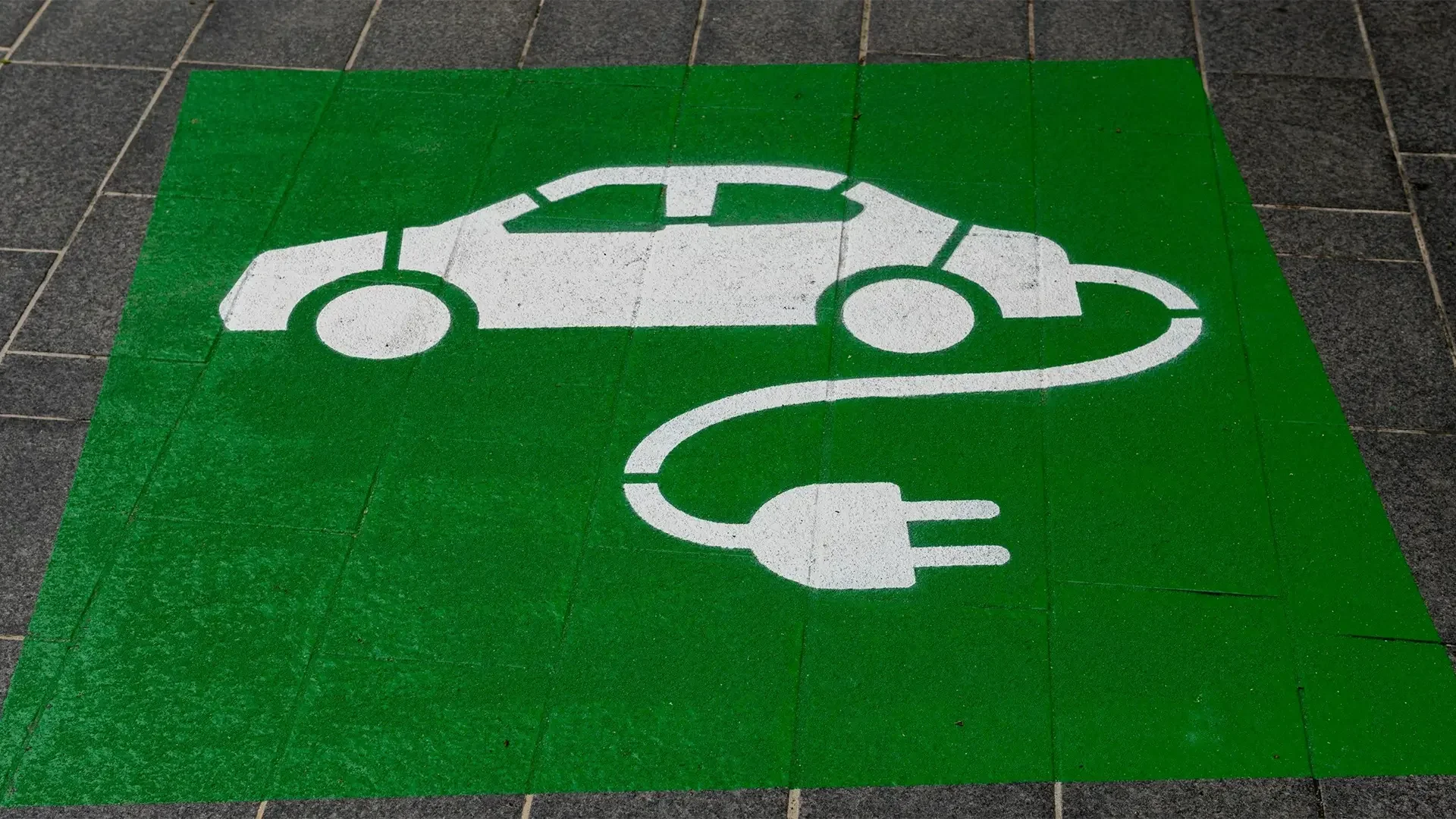
EV Mobility in Africa is not in need of more start-up capital, it needs infrastructural investments writes Stuart Minaar.
The case for African e-mobility is strong. The continent has about 43 vehicles per 1,000 people, against a global average of 197 and an EU passenger-car rate of 560 per 1,000.Africa is also urbanising faster than Europe did during its own growth years, and a large youth population is moving into cities right now.
In Kenya, the commercial reality stands out. Motorcycle taxis, or boda bodas, are central to how the country moves. Riders often work ten to fifteen hours a day, and the trade is a primary income source for a large share of the workforce, though no national registry counts riders precisely. The total cost of ownership for internal-combustion and electric vehicles becomes equal in six to nine months. For the rider, this is not a lifestyle choice; it is their livelihood. The financial imperative is stronger here than anywhere else.
The digital infrastructure has also changed what is possible. Mobile money created the payment identity and data trail that make these assets legible to financiers. Pay-as-you-go models, which worked well for solar home systems, now fit perfectly into Electric Vehicle (EV) financing. The underwriting infrastructure that did not exist five years ago is now live across Kenya, Rwanda, Nigeria, Uganda, and Tanzania.
So why is the sector still short of capital? Because African e-mobility has been financed like a startup - and it isn't one.
-
MobilityX Africa is a data-driven investment platform sitting at the intersection of electric-mobility operators, established transport players, and capital providers across the continent. It does not build vehicles or run swap networks; it makes the market around them legible and investable — tracking 220+ mobility companies, engaging 150+ capital allocators, across 15 African countries.
-
Battery swapping is a technology that lets electric vehicle owners quickly trade a depleted battery pack for a fully charged one in about three to five minutes.
-
Blended capital (also known as blended finance) is the strategic use of public or philanthropic funds to mobilize private sector investment into projects that generate social, environmental, or economic impact.
Many commercial electric motorcycles rely on battery-swapping networks. Instead of stopping for several hours to recharge, a rider visits a swap station, exchanges a depleted battery for a fully charged one and returns to the road within minutes.
A battery-swapping operator needs to cover several costs before the first rider pays. This includes financing the motorcycle, batteries, swap stations, spare packs, land, security, software, and grid connections.
The physics of the sector are unforgiving. A commercial rider swaps twice a day at roughly $2 per swap, generating a maximum of $104 in swap revenue a month. That ceiling is set by human behaviour and road hours. One cannot grow past it with more equity.
This is infrastructure economics, but it has mostly been funded like a tech startup. That mismatch is the structural ceiling preventing the African e-mobility Version 1.0 from scaling.
Swap networks follow the same economics as mobile or transit networks. They bleed capital until they reach density, and only then do they generate yield. Blended, patient, structured capital is required. After engaging with investors across the entire capital stack, we reached a unanimous conclusion: the sector needs a reset. This is the gap that we at MobilityX Africa aims to close.
“This is infrastructure economics, but it has mostly been funded like a tech startup. ”
There are early signs of a shift. Some operators are opening swap networks to rival manufacturers instead of building closed, brand-locked systems. Rwanda went further in July 2026, mandating that all electric motorcycles and swap stations be interoperable — the first such rule in Africa, with a two-year window for existing operators to comply. The capital stack itself is changing: debt has gone from nothing in 2019 to roughly a third of total sector funding by 2026, overtaking new equity. This is a sign that lenders now trust the sector's assets enough to lend against them.
Together, these point to a second phase: fewer companies trying to own the vehicle, the charging network and the loan book all at once, and more of a specialised ecosystem where each layer is built and financed on its own terms. The gap between capital and capable operators is narrowing, but only where financing and infrastructure models change together. Which operators lead that shift over the next two years is still an open question.
NABA Activities in pictures:



Photos: NABA / Intro:Africa
