
Pan-Africanism Now: Sovereignty, Trade and the Ownership of Africa's Resources
Session Chair: Ms. Zahara Sadiq


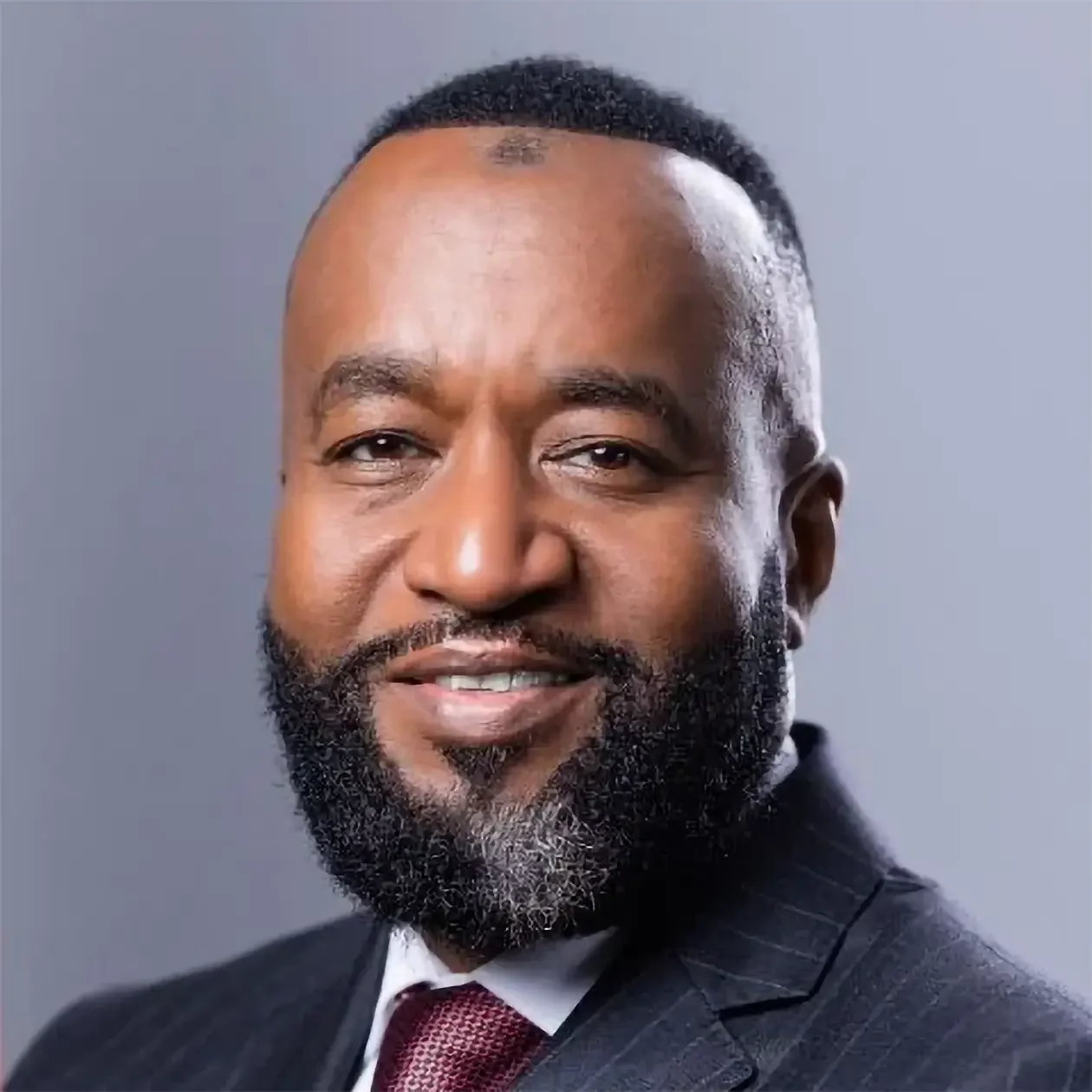
African political and economic autonomy is arguably more assertive today than at any point since the independence era. That claim rests on two developments moving at once: the slow but real build-out of continental economic integration through the African Union and the African Continental Free Trade Area, and a sharper, more confrontational assertion of sovereignty over natural resources taking shape in parts of West Africa. Both are reshaping what "pan-Africanism" means in practice, sixty years after the movement's founding generation won political independence.
The institutional track is the African Union's own long-term vision, Agenda 2063, "The Africa We Want," with AfCFTA as its leading economic instrument. The numbers show a project that is real but still early: intra-African trade reached roughly $213–220 billion in 2025, but that is still only about 15–18% of the continent's total trade, well below the share of internal trade seen in Europe or Asia. As of early 2026, only 25 of the 54 AU member states have operationalised AfCFTA tariff preferences, even though 50 have ratified the agreement — a gap between political commitment and usable trade administration that the AU's own 2025 Africa Integration Report flags directly. Kenya and Algeria represent a shared vision for pan-africanism and African ownership of resources. Algeria's own pan-African credentials predate AfCFTA by decades: post-independence Algiers became a base for liberation movements across the continent, and the country hosted the first Pan-African Cultural Festival in 1969, explicitly staged as a political statement of post-colonial solidarity.
Kenya's claim runs through the movement's institutional wing: Jomo Kenyatta sat among the delegates at the 1945 Manchester Pan-African Congress that helped launch the independence generation, and Kenya today hosts UNEP and UN-Habitat and has been a consistent advocate for AfCFTA implementation. Both governments now sit, as resource-governments rather than liberation-era statesmen, but continue to work towards the same vision: that African-owned fisheries, minerals and agricultural production are processed, branded and traded as finished, high-value goods, instead of the colonial-era legacy of exporting raw commodities.
This panel will discuss what pan-Africanism looks like on the continent today, and how the Governments of Kenya and Algeria are working together with the African Union and other alliances to achieve greater control of African resources and production. For the Nordic audience, this is a chance to learn and listen in to what “The Africa Africans want” looks like in 2026.