
Philanthropic capital as a catalyst for private investments
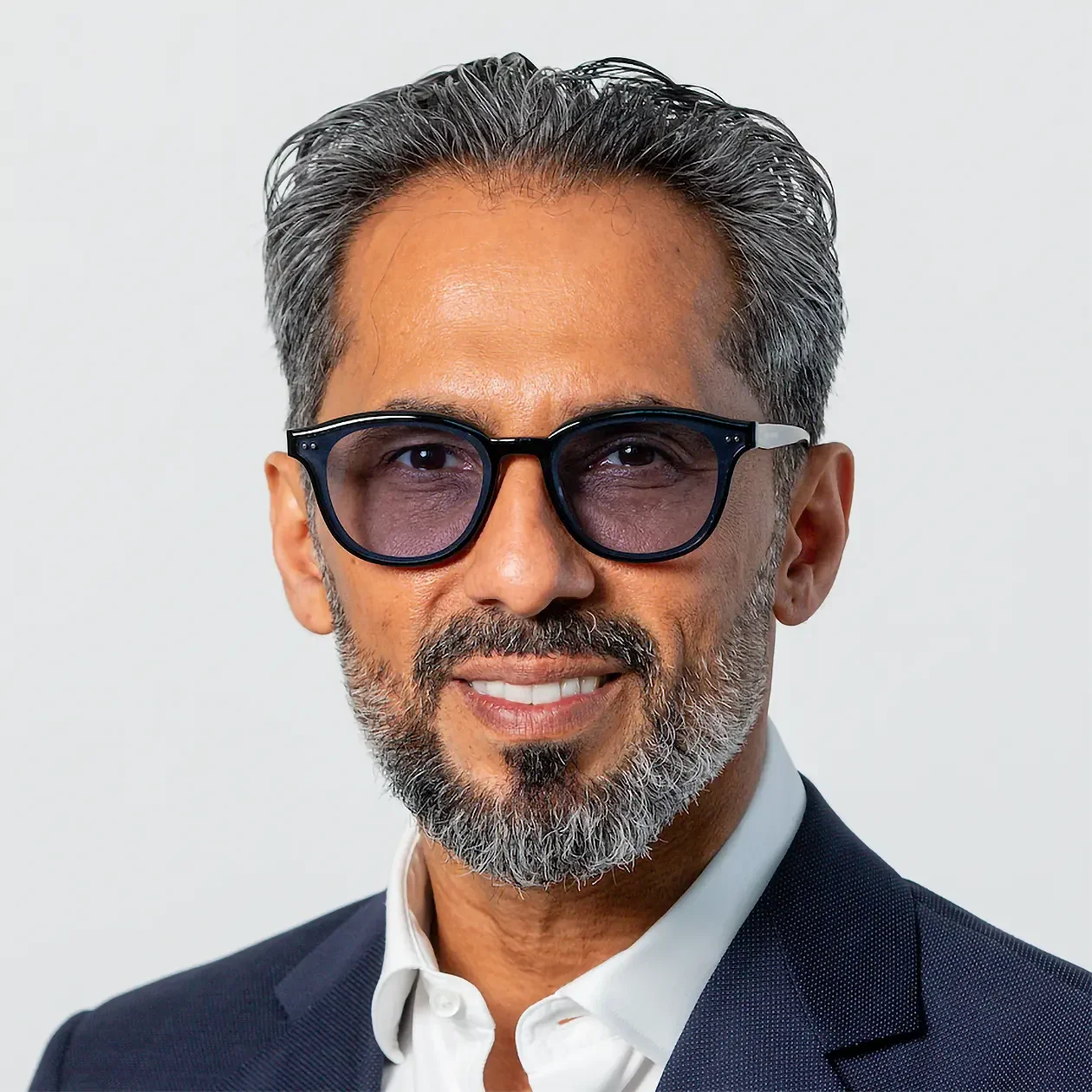
Moderator: Mr. Sanjeev SG Gupta


Philanthropy is undergoing a profound transformation. As global development challenges intensify and the financing gap for climate action, industrialisation and inclusive growth widens, traditional grant‑based giving is no longer enough.
This session explores how philanthropic capital, when deployed strategically, can become a powerful catalyst for mobilising private investment at scale. By absorbing early‑stage risk, strengthening governance and funding the essential groundwork that commercial investors rarely finance, philanthropy can unlock entirely new classes of bankable projects across Africa.
The discussion will explore how first‑loss mechanisms, donor‑advised funds and blended‑finance structures can accelerate project preparation, de‑risk infrastructure and industrial ventures, and support community‑anchored development models. Speakers will also address how philanthropic capital can help build robust ESG standards, strengthen regulatory environments, and ensure that investments deliver both financial returns and measurable social and climate impact.
At its core, this session asks how philanthropy can move beyond charity to become a structural enabler of long‑term economic transformation. With Africa facing a significant financing gap and a rapidly growing demand for sustainable, climate‑aligned investment, the role of catalytic philanthropy has never been more important.
Key discussion themes
The topics outlined here are intended as overarching themes to shape the discussion. The session chair will direct the conversation with this framework, but there is scope to broaden the discussion to other issues that emerge during the session:
Instruments and models: first‑loss facilities, donor‑advised funds, grant‑to‑equity pathways and blended‑finance structures that crowd in commercial investors.
Project preparation and de‑risking: how philanthropy can fund feasibility studies, ESG compliance, stakeholder engagement and capacity building to make projects bankable.
Standards and governance: the role of philanthropic capital in strengthening ESG frameworks, regulatory environments and transparency to build investor confidence.
Community impact and additionality: ensuring investments deliver measurable social and climate outcomes while producing financial returns.
Scaling and partnership: where philanthropy is most additional, and how multi‑stakeholder coalitions (DFIs, private investors, governments, NGOs) can scale catalytic approaches.