
Norway in Africa: Partner or Donor?
Session Chair: Mr. David Pilling
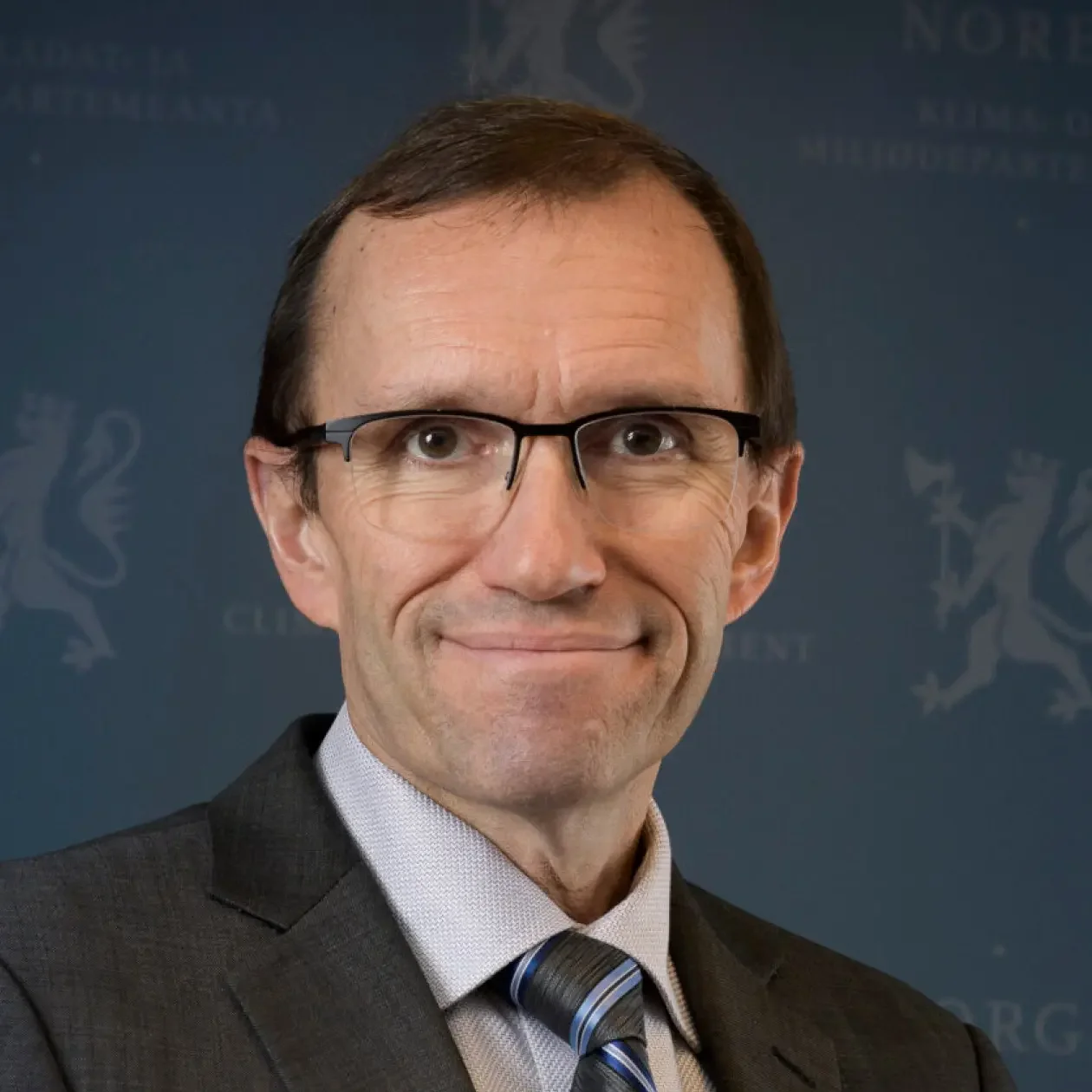
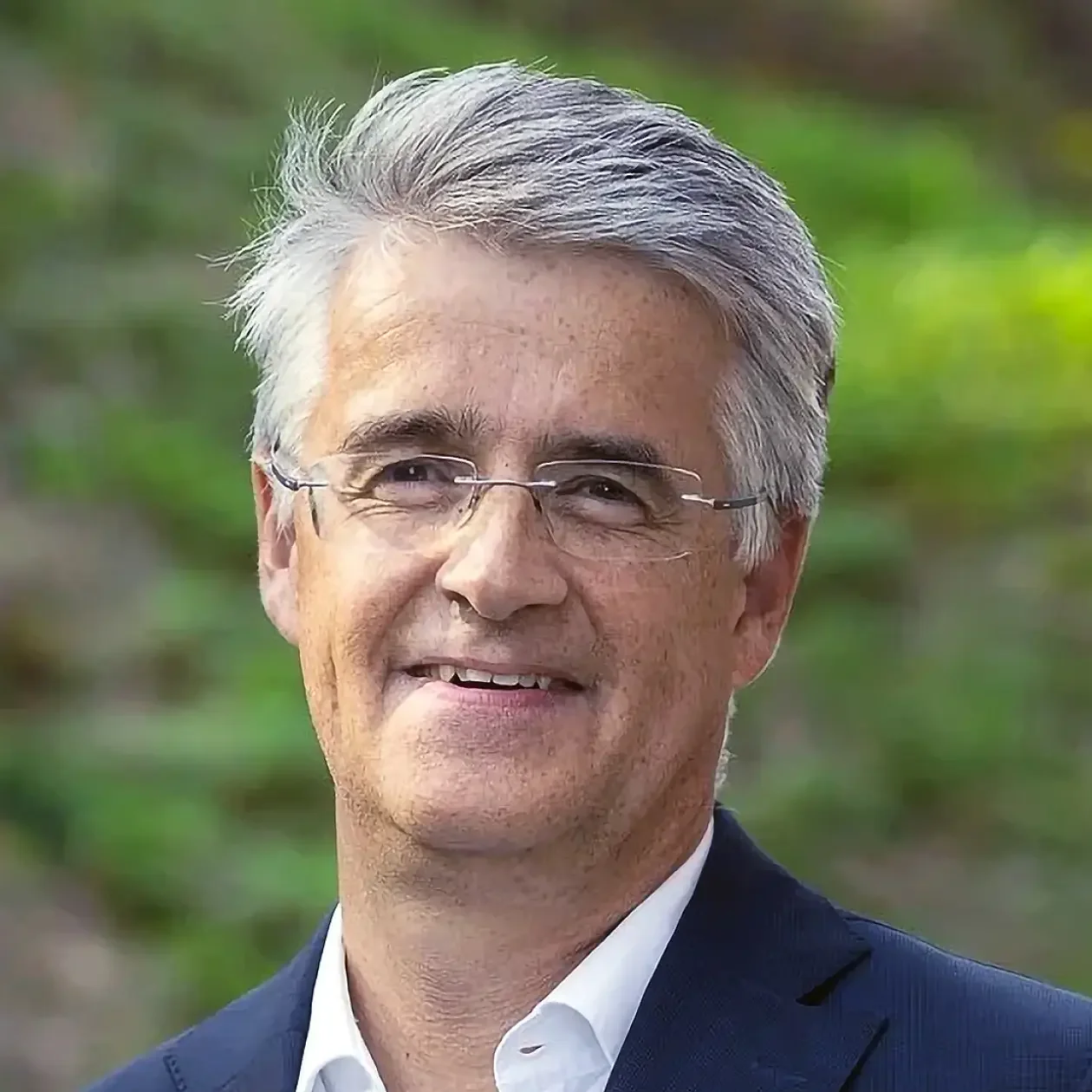


Norway enters 2026 in a genuinely different geopolitical position than it held even three years ago. The domestic foreign-policy debate is dominated by Russia's invasion of Ukraine, transatlantic (dis)trust and renewed Arctic competition — and Africa barely features in that conversation. Despite African governments experience with navigating a multipolar field of partners: Chinese infrastructure financing, Russian security offers,, competing EU and US infrastructure initiatives, a fast-growing Gulf presence and a retraction of global aid.
Following the same lines, Norway’s own development model is under reconstruction: the government's Prosjekt Vendepunkt initiative, launched in March 2026, is publicly asking how to make aid less wasteful, more evidence-based and asserts that Norwegian development policy should be treated as part of foreign and security policy, not a separate track.
At the Nordic-African Business Summit, this new direction of development policy highlights the longstanding working of NABA. In NABA’s view, Africa’s role in Prosjekt Vendepunkt is vital, as Africa receives about 1 in every 7 kroner that Norway spends on aid according to numbers from 2025. We know that private sector development and increased trade is at the core of job creation, and decent work is one of the core pillars of geopolitical stability. For a continent set to hold roughly a quarter of the world's working-age population by 2050, Africa's role in the global economy is more important than ever.
The big question is: Will Norway and the Nordics be a strategic partner or a donor to the African continent in this new geo-political reality?